
Friday, October 16, 2026The New York Academy of Medicine
Science, Medicine, and Psychedelics
Part of the 19th Horizons: Perspectives on Psychedelics conference
Presented by Horizons Media, Inc., a 501(c)(3) educational charity
Updates on psychedelic therapies and neuroscience from leading researchers and institutions.
A growing body of psychedelic clinical trials shows promise for indications whose treatments have progressed little in decades. Meanwhile, neuroscientists continue their quest to decipher the mechanisms of these mysterious molecules and the mind itself.
Several Phase 3 trials for depression and PTSD are complete or nearing completion. Robust trials for addiction, anxiety, OCD, and other mental health disorders are not far behind. Studies examining neurological disorders such as pain, headaches, and neurodegenerative disorders are also well underway.
Join us at Science, Medicine, and Psychedelics to distill the essential answers, insights, and questions from this year's crop of scientific data, and to see what tomorrow's harvest might hold.


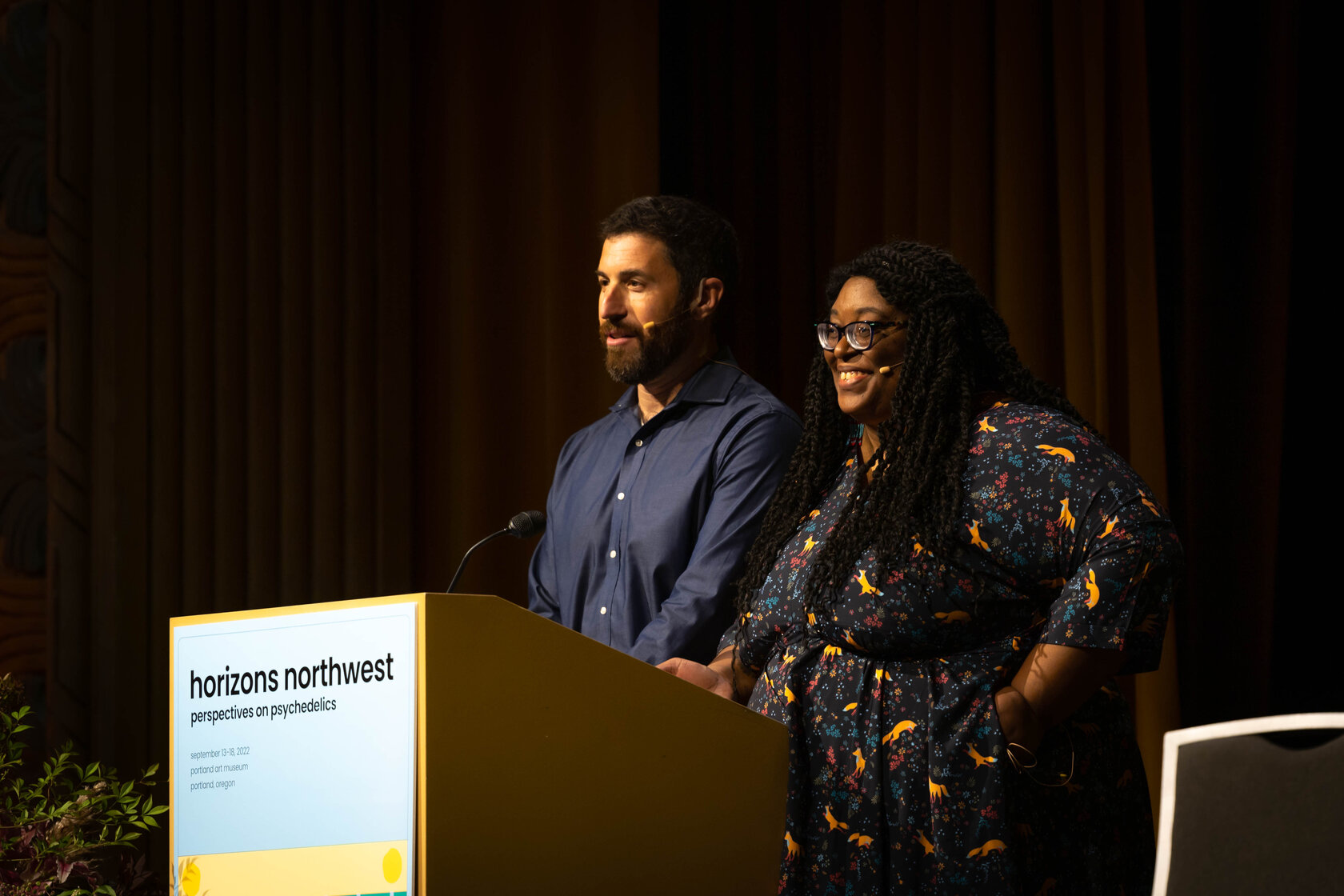
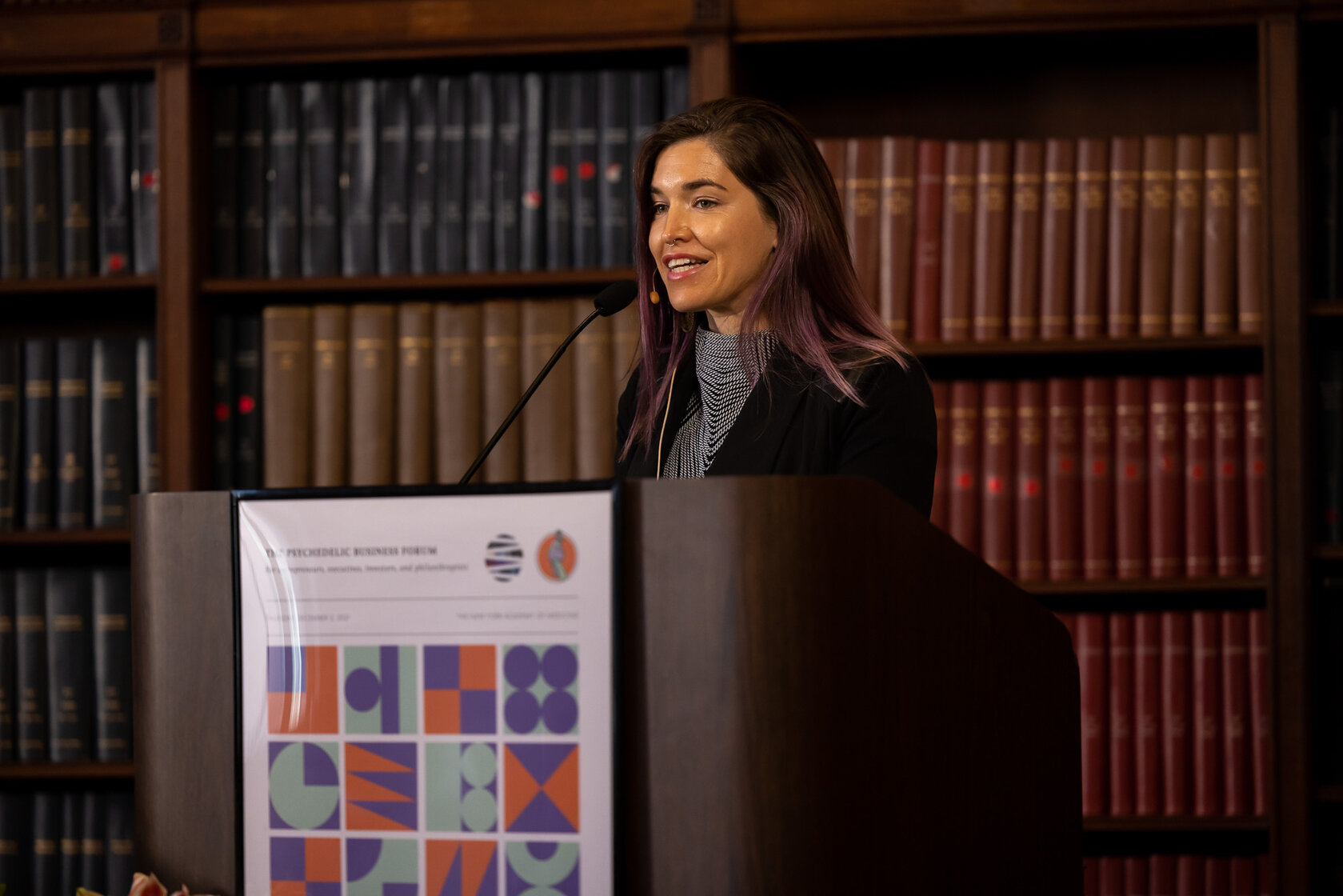

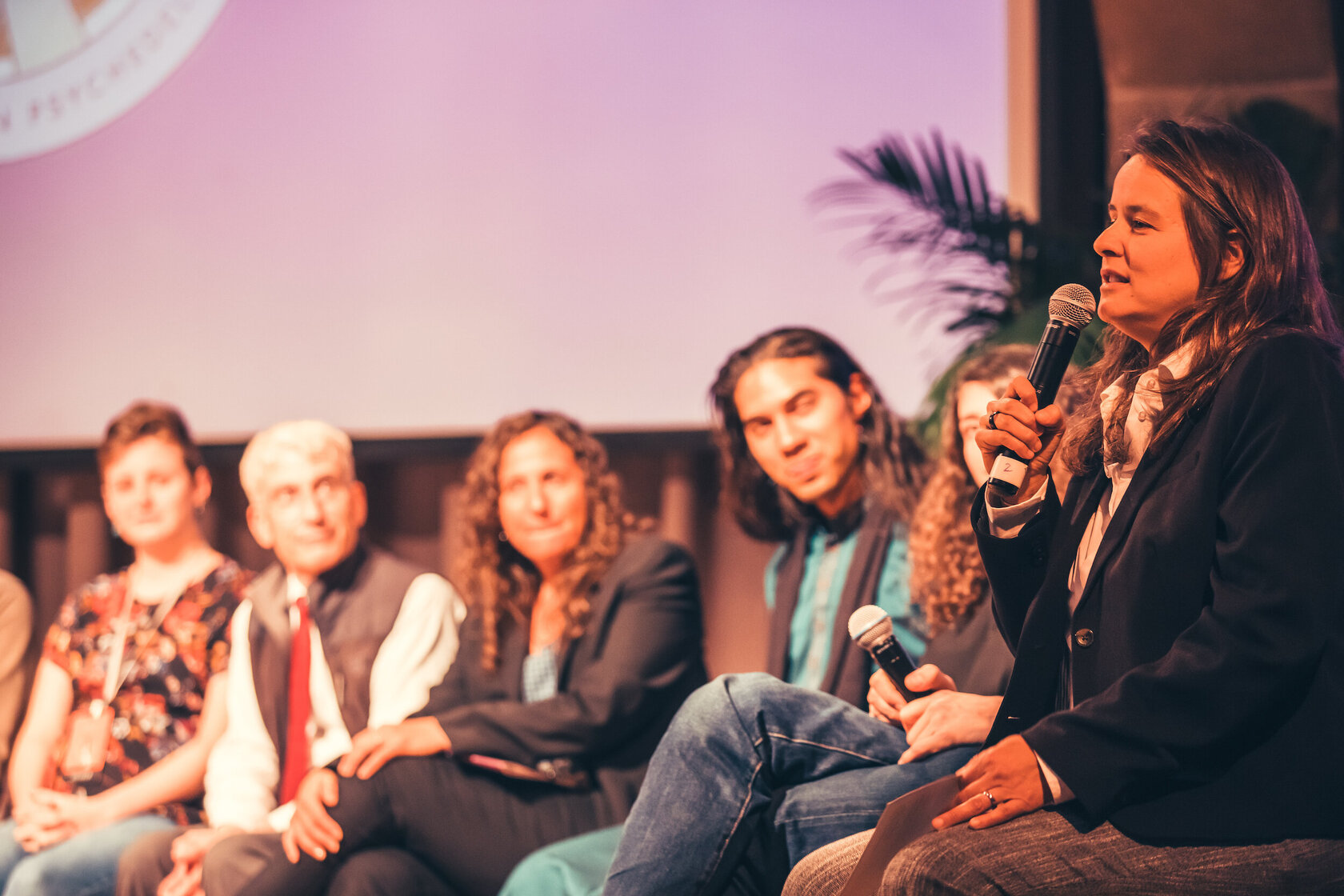

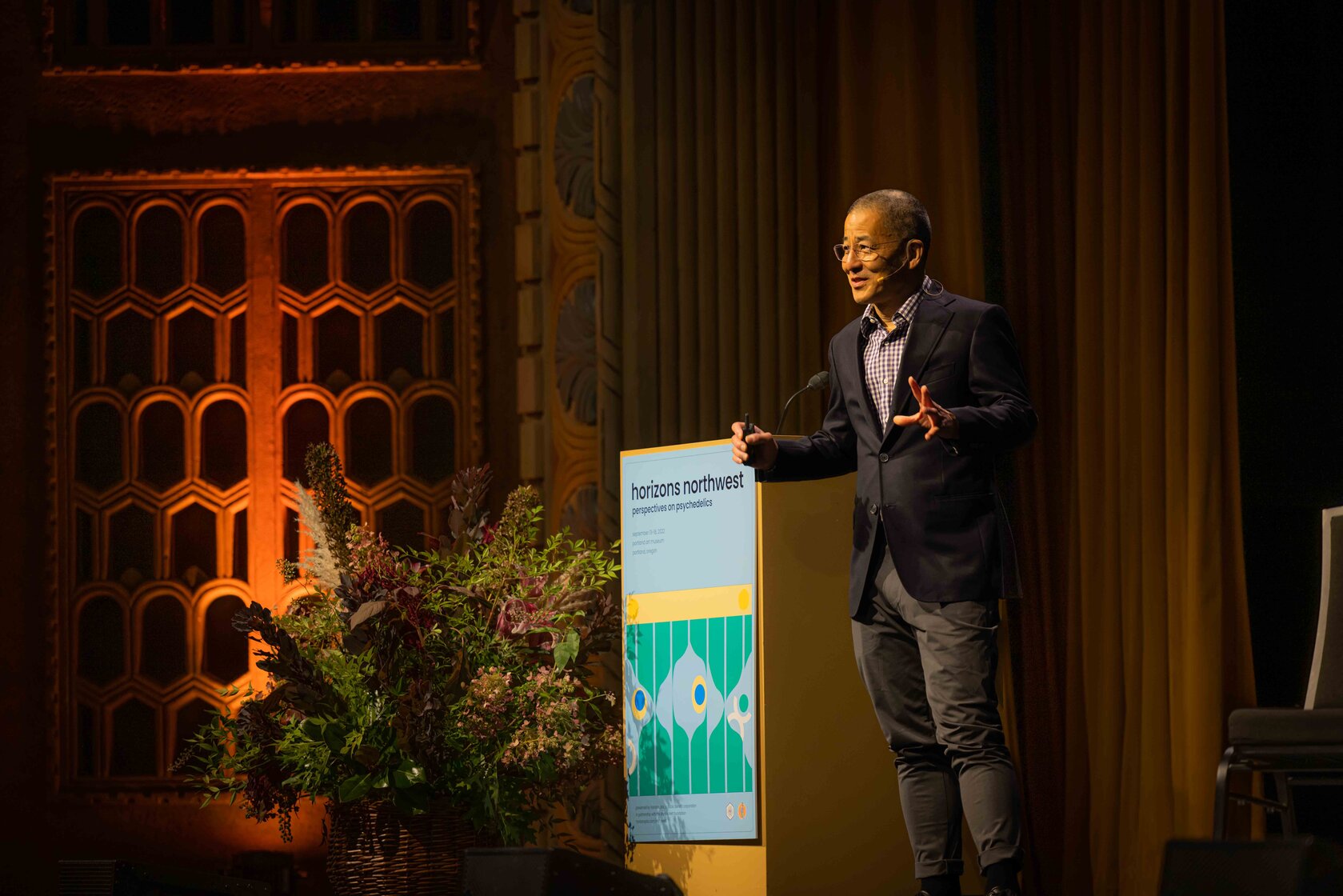

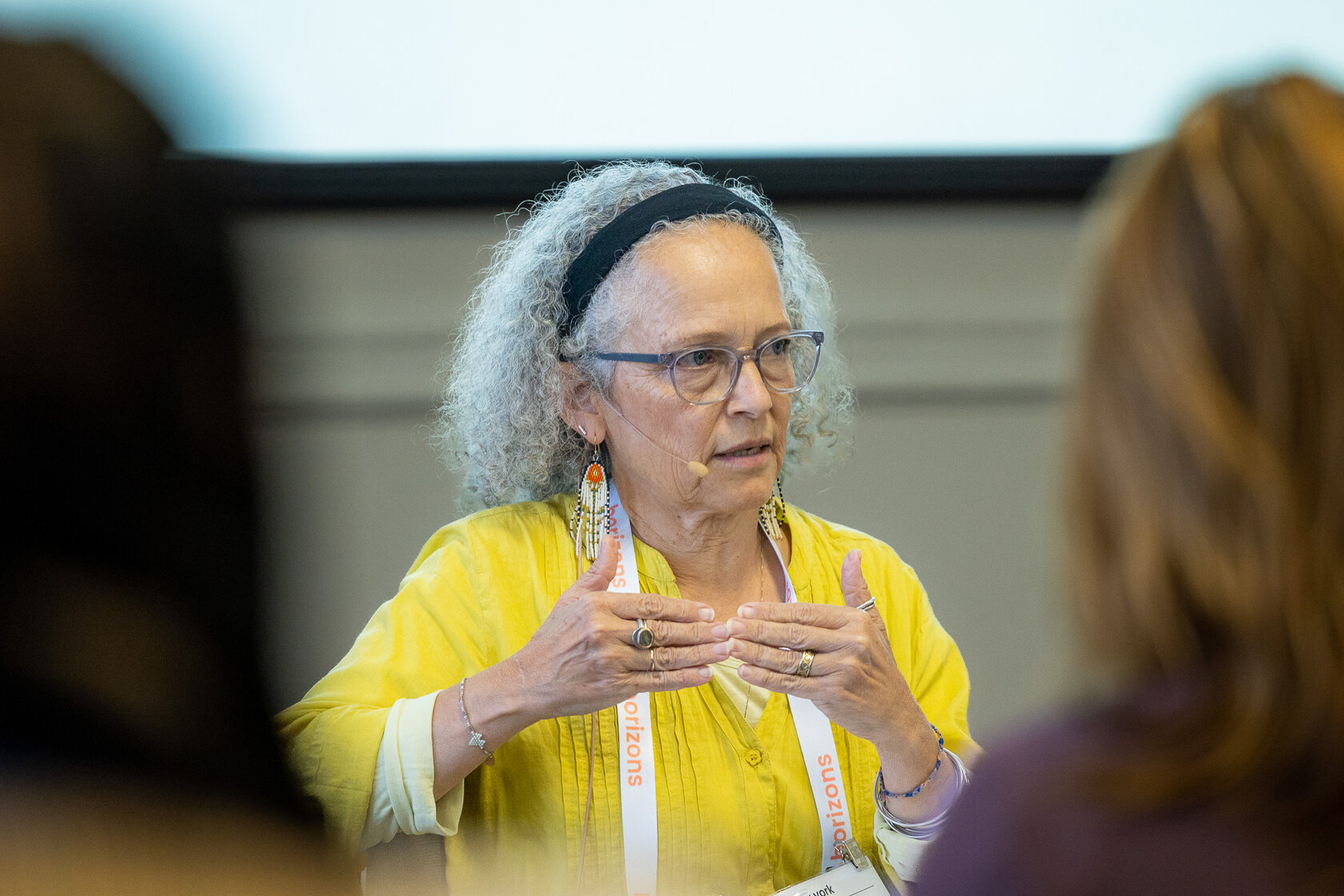
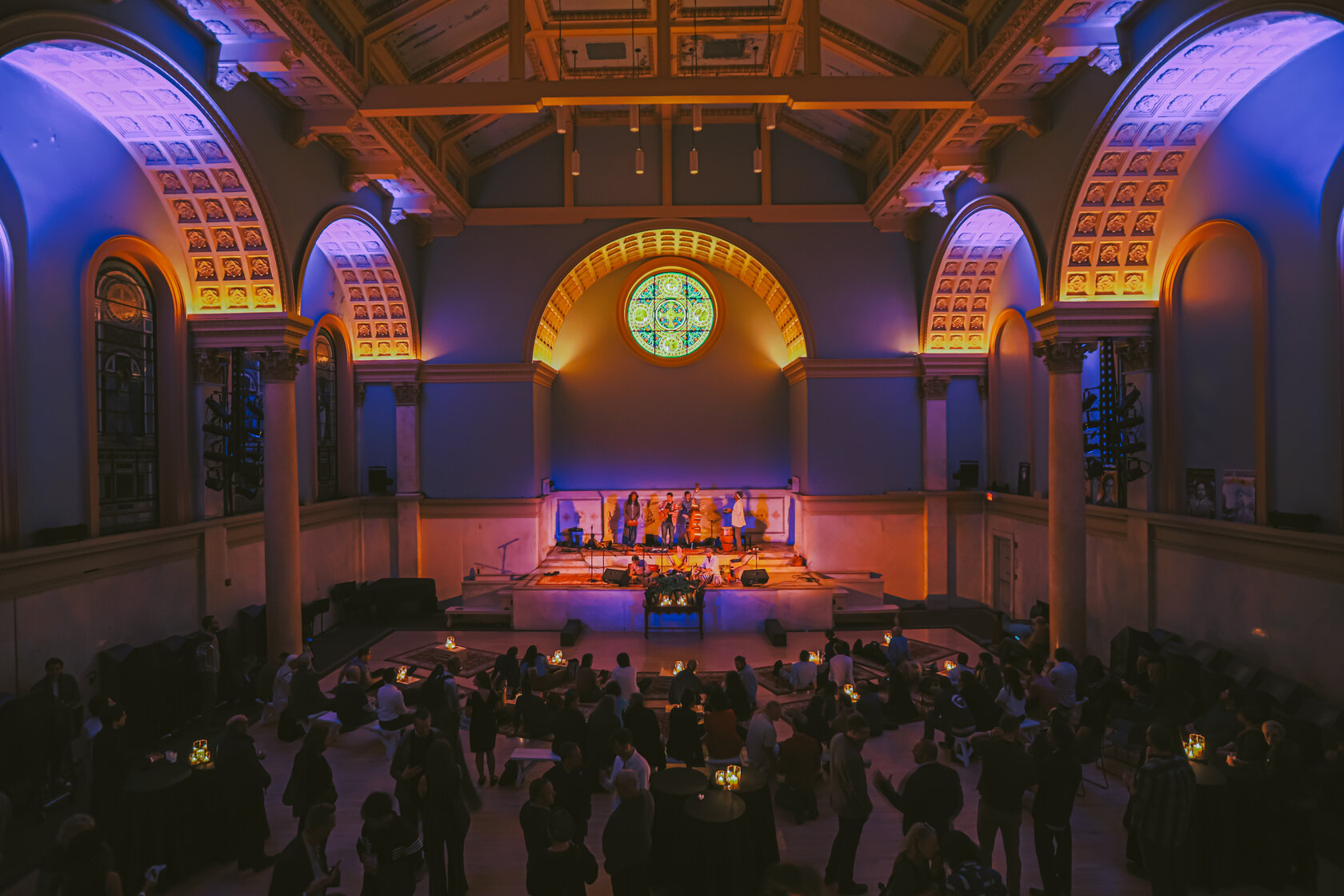
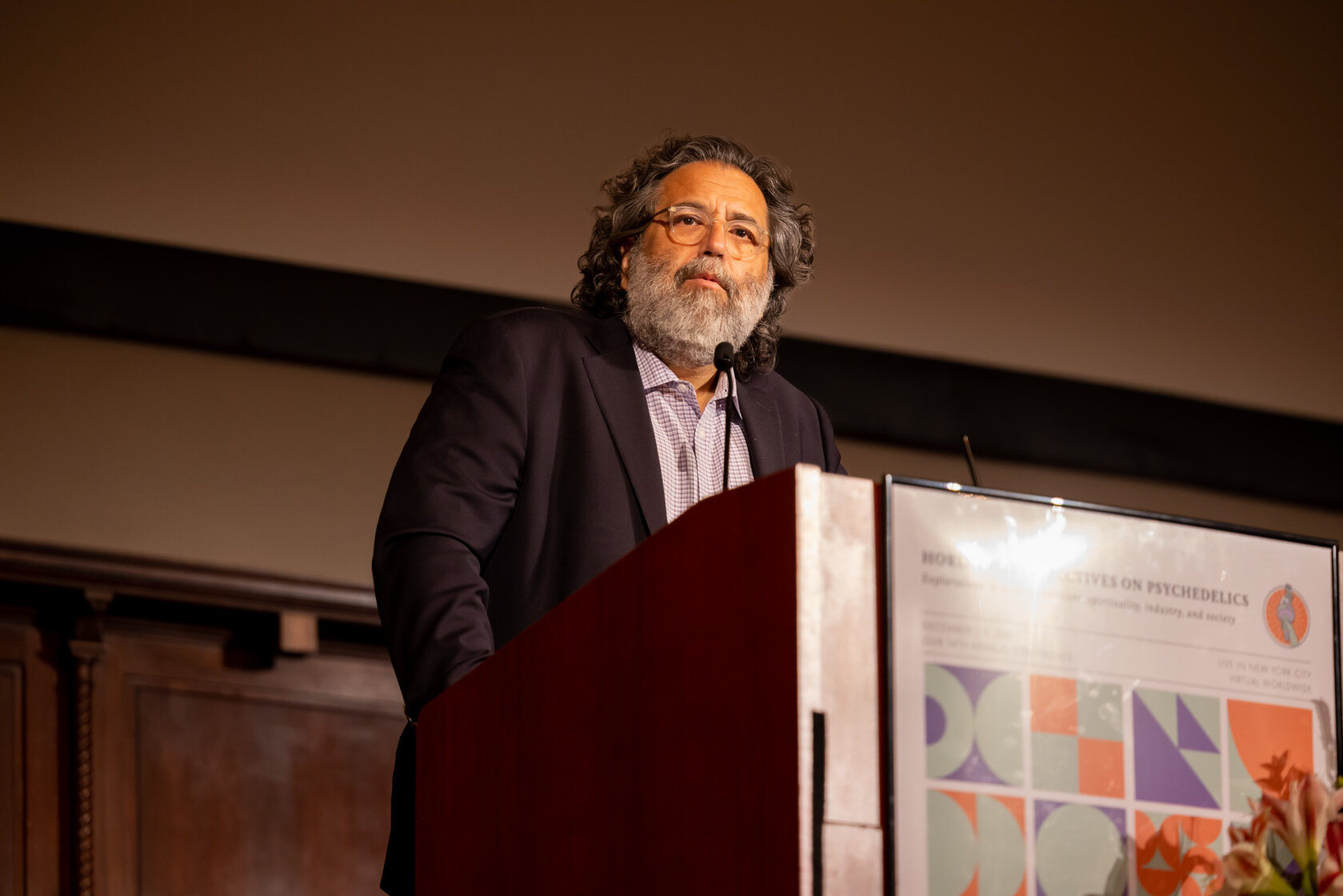

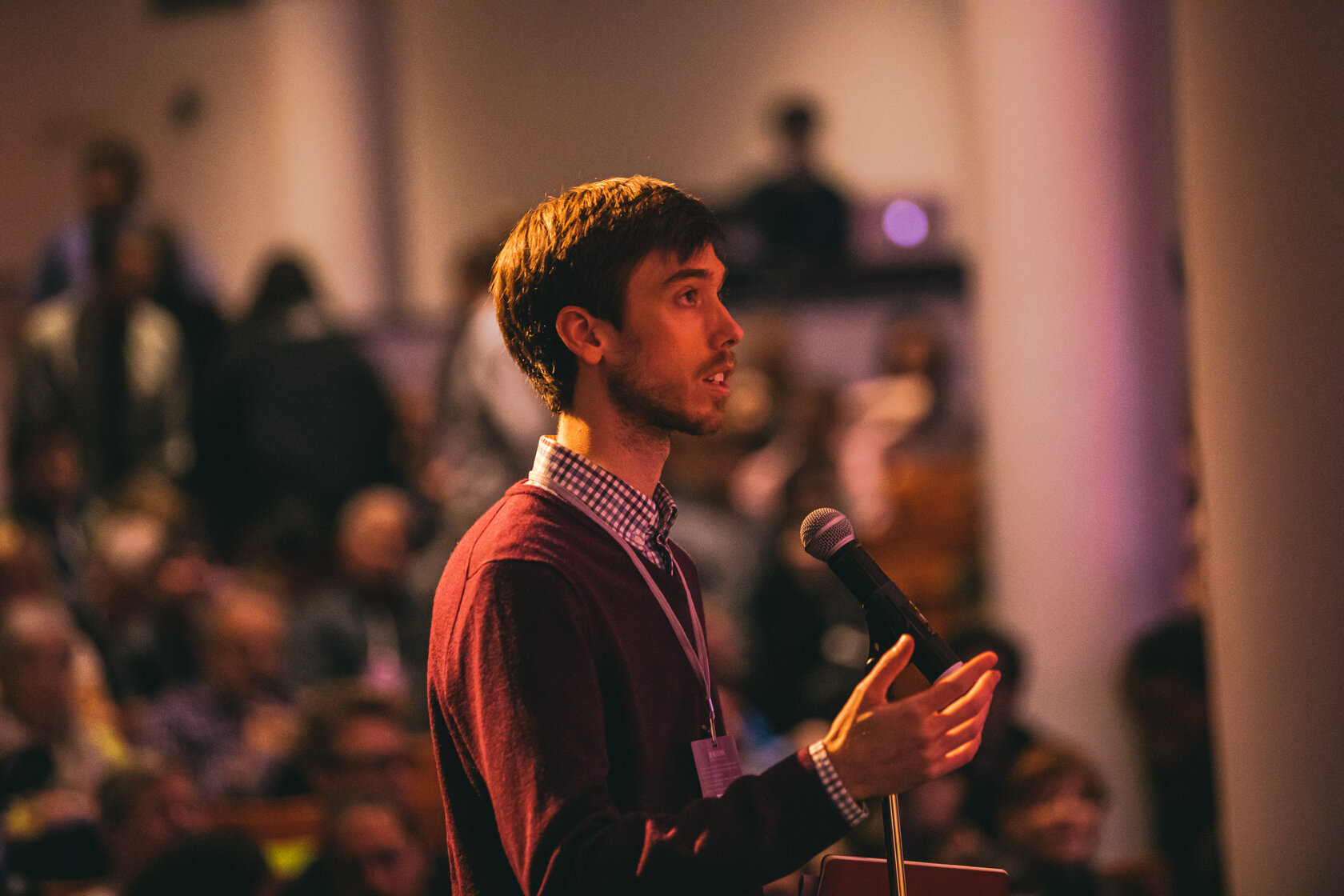
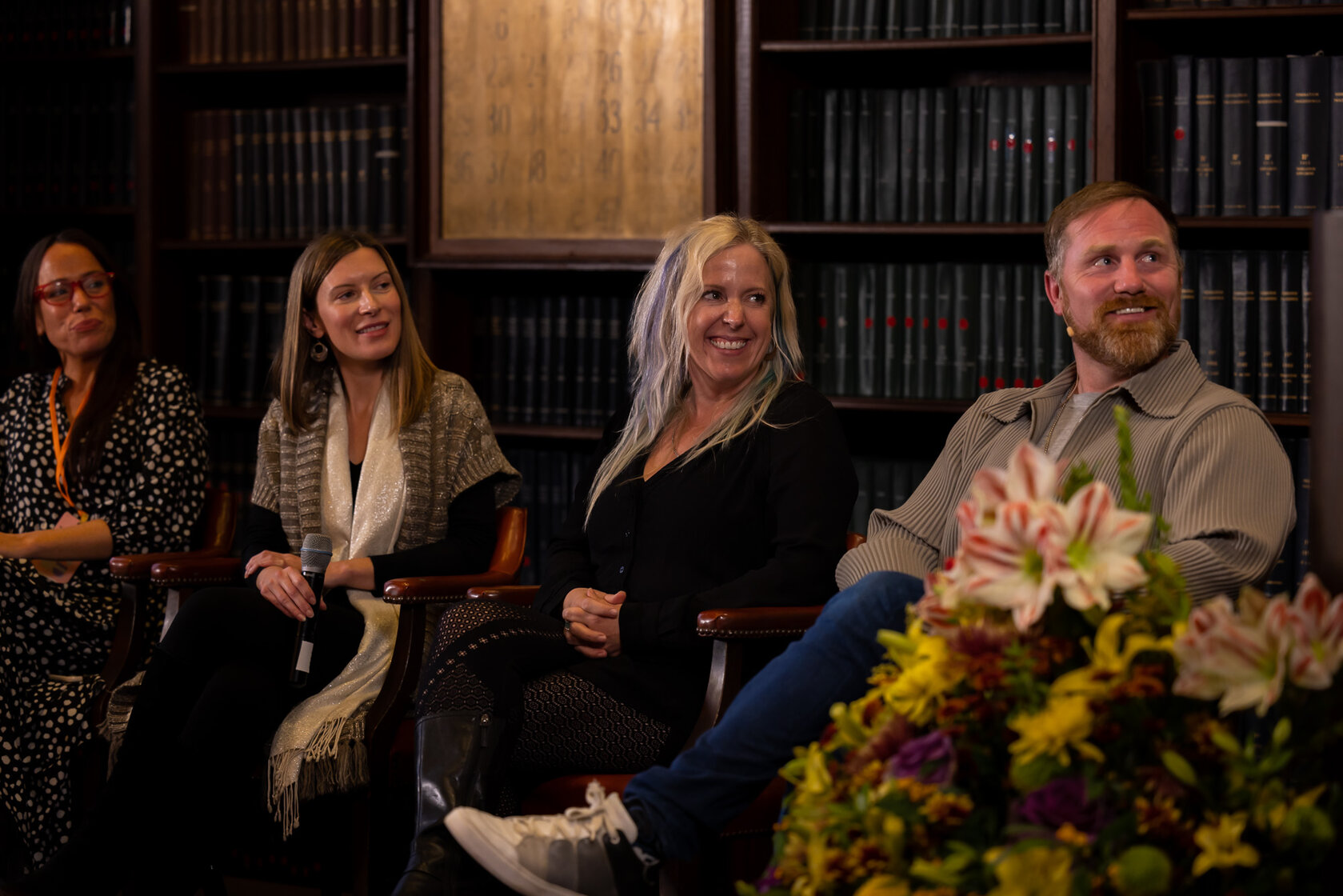
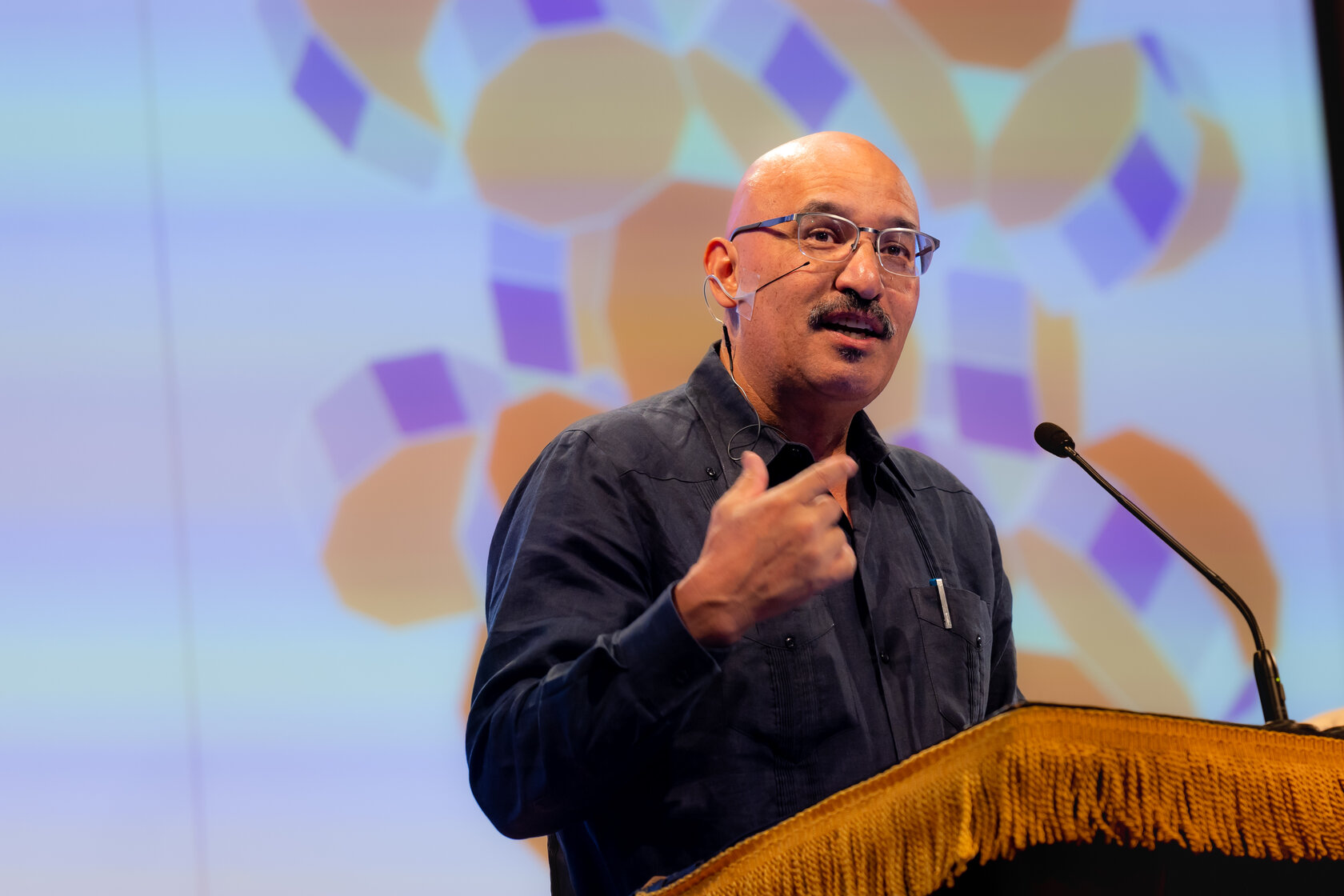


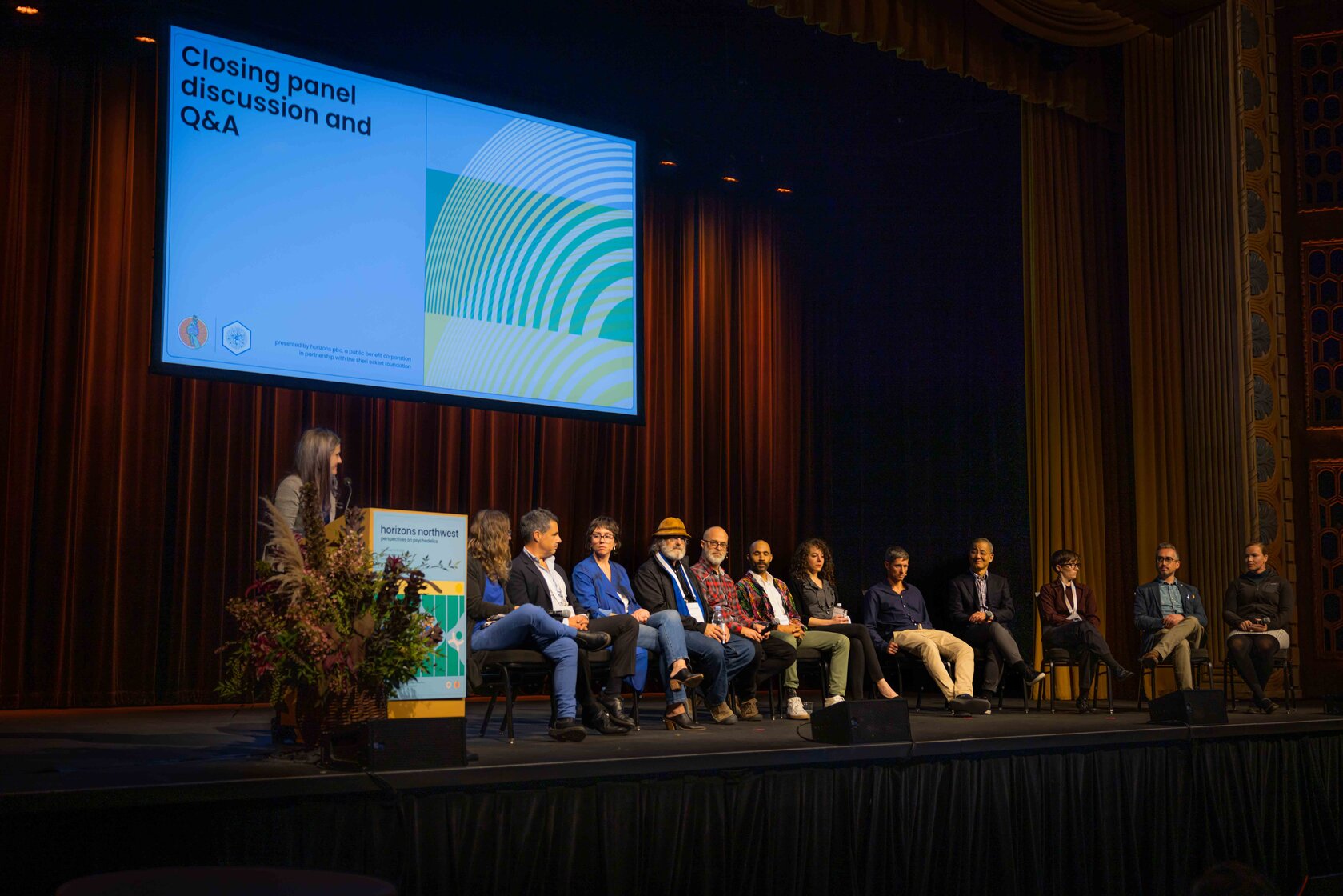
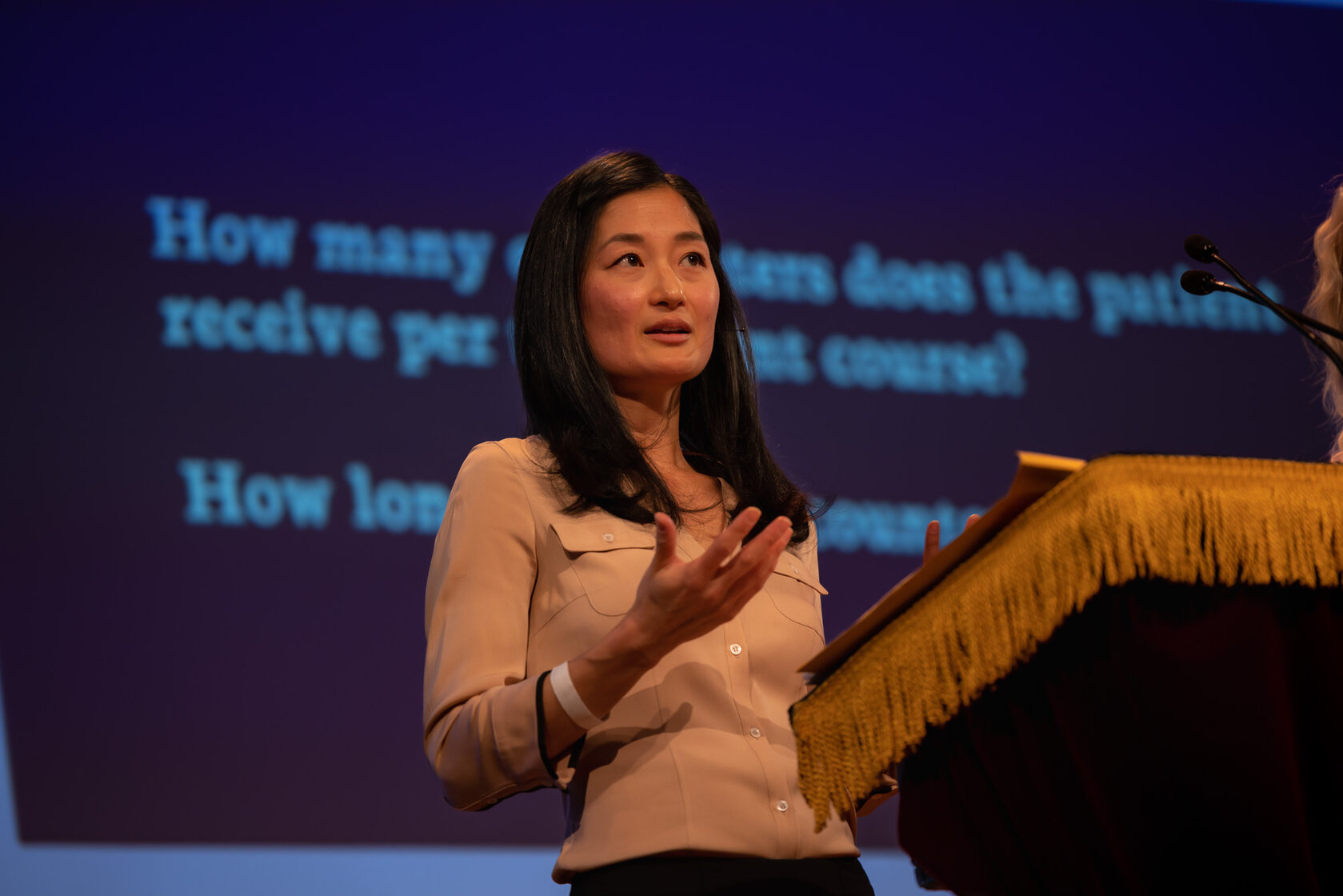

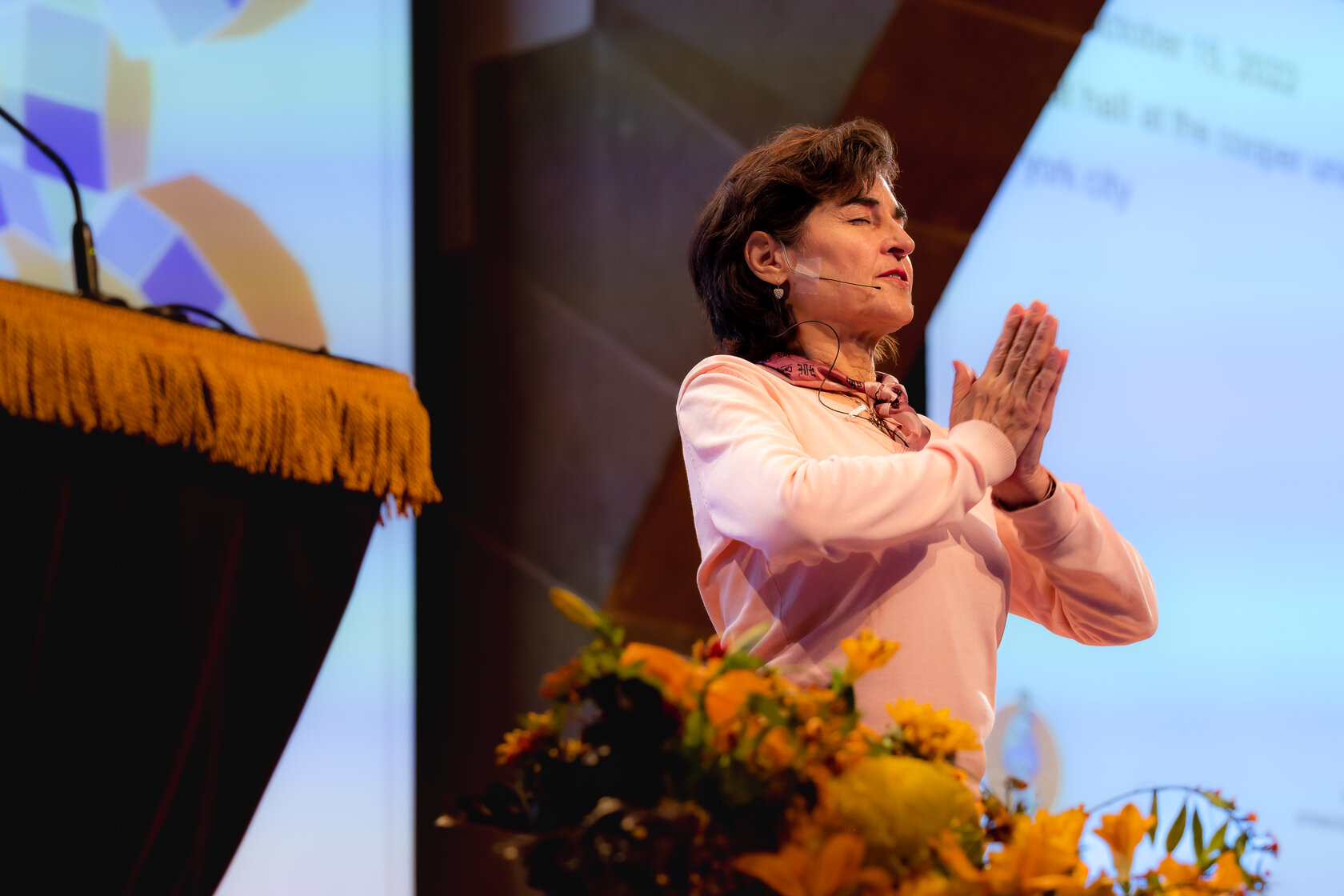
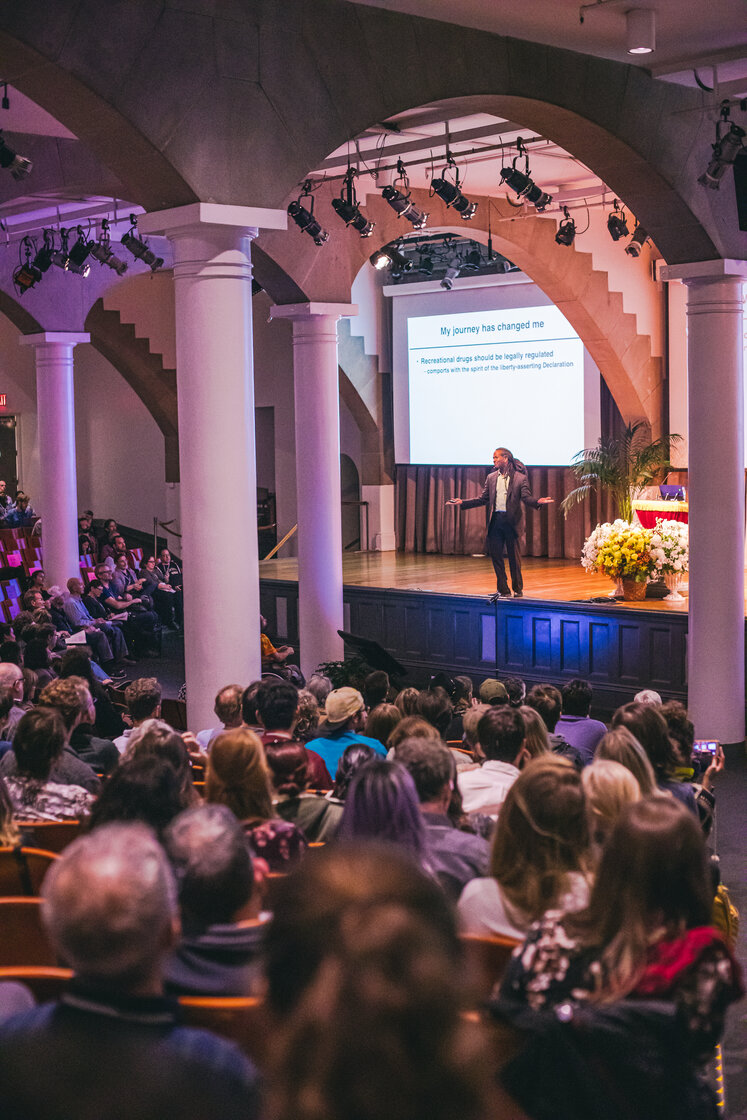
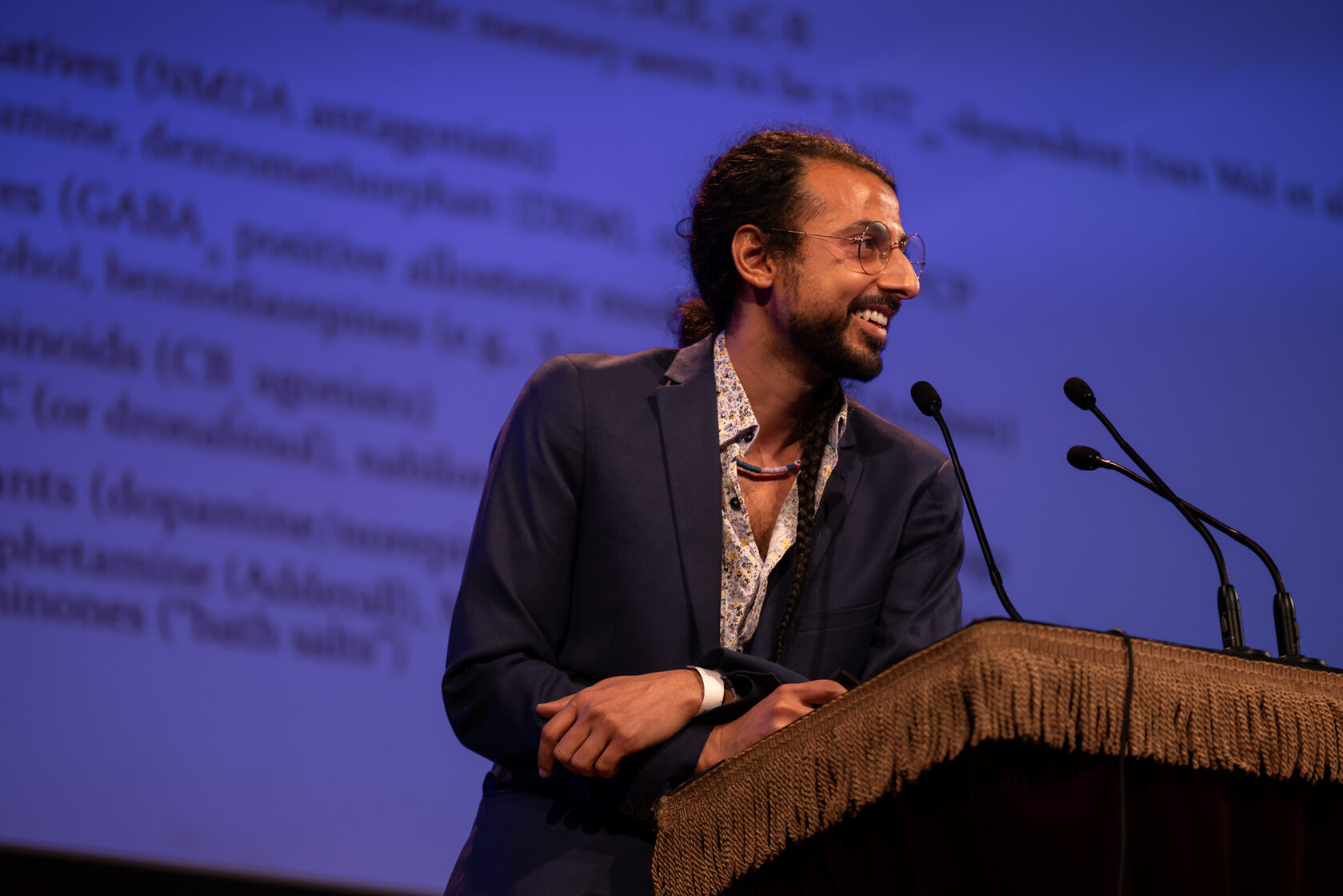

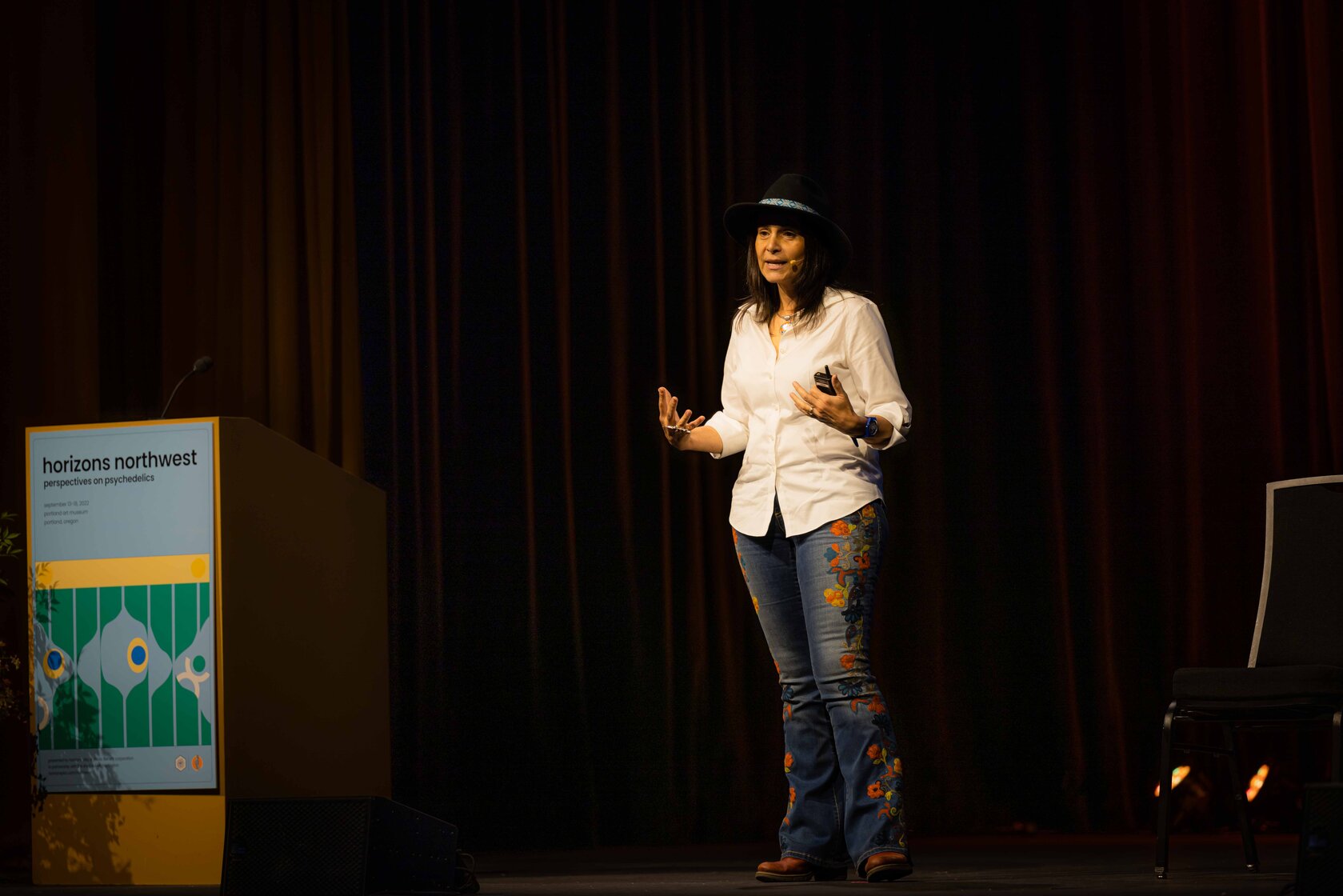
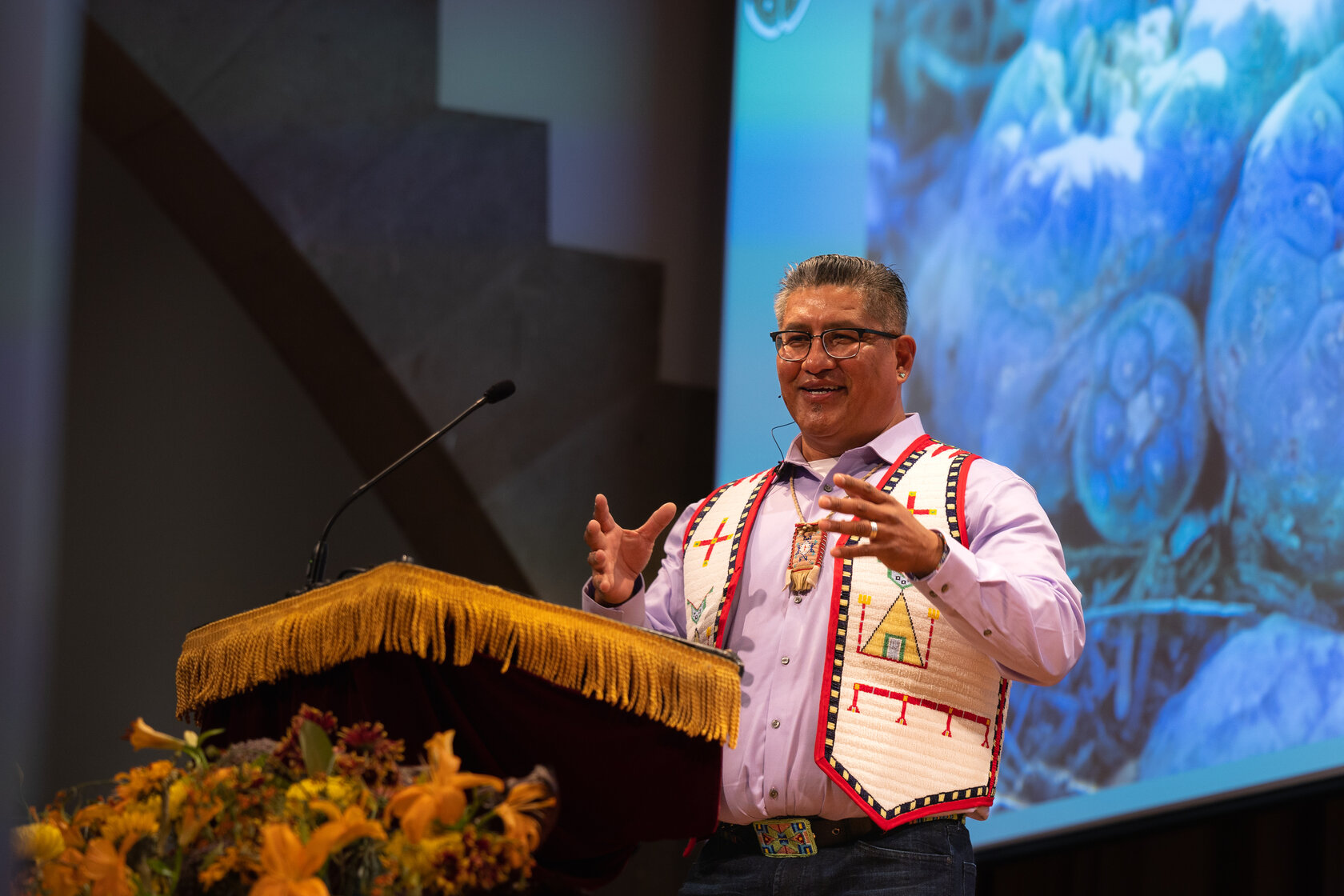

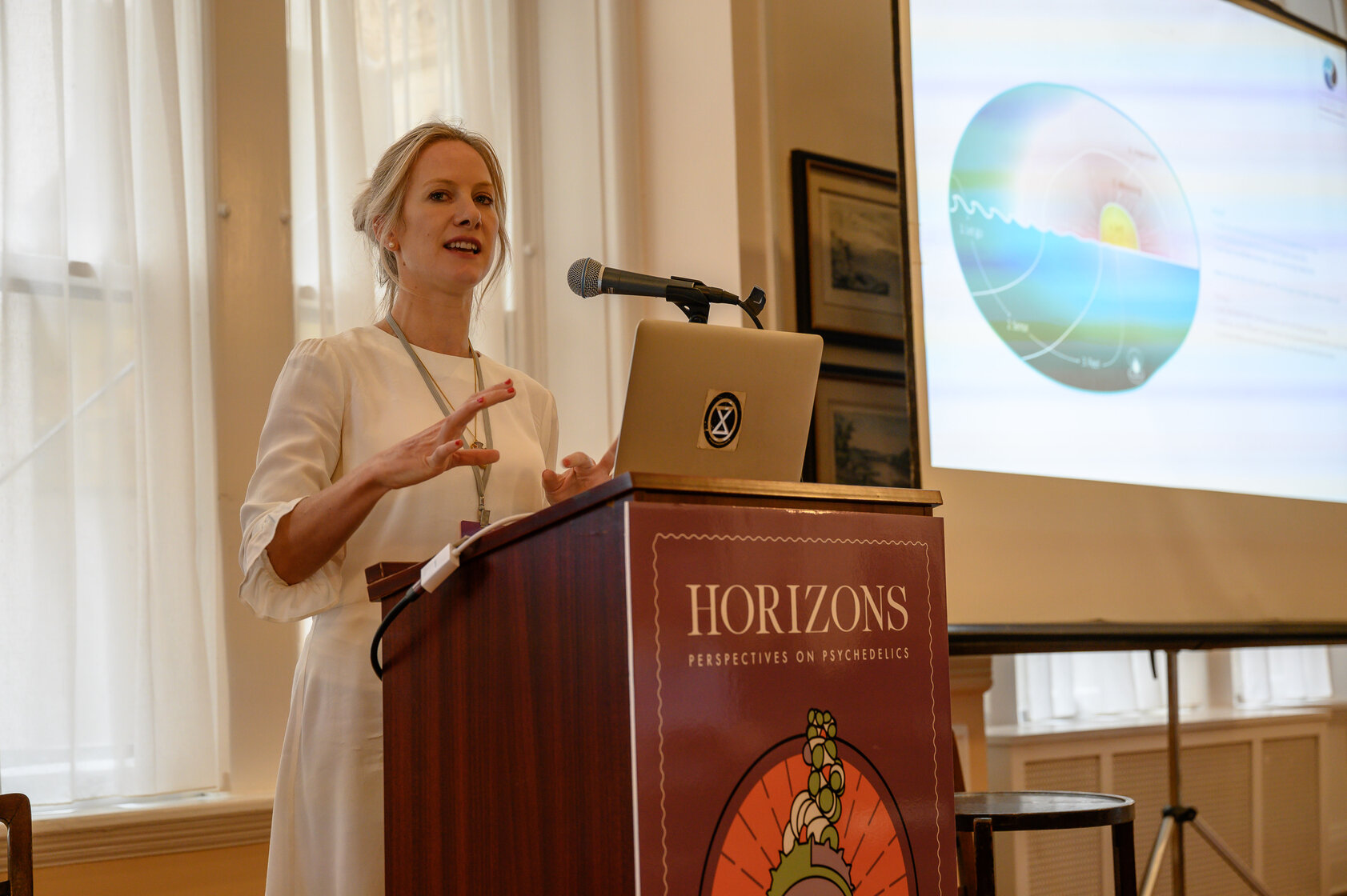



Speakers


SEE MORE ▶︎SEE FEWER


Sponsors
Title

Partner
Supporter



Educational Policy: Sponsors support, but do not direct, our program. Our curation remains strictly editorial, and stage time is not offered as a sponsor benefit.
Community Allies












Agenda
Convene & Registration
Experiences of Blindness and-or Clarity in the Study of Psychedelics
A discourse on the meaning of recent empirical research into psychedelics set against the longer history of psychedelic science with various excursions into other epistemological waters.
Speakers
Kevin Balktick
Founder + Director
Horizons Media, Inc.
With the recent and upcoming completion of several Phase 3 studies that investigate numerous psychedelics for the treatment of several mental health indications and ongoing quest to identify the loci of their remarkable effects, a number of fault lines have emerged in the scientific, medical, and patient communities. Before we dive into a day of facts and findings, let us ponder the different ways in which one might approach this growing mountain of data.
A Conversation with NIH and FDA Officials
Two scientists leading official regulatory and grantmaking bodies discuss their respective priorities for the next generation of research and the evaluation of drug candidates and treatments.
Speakers
Andrea Beckel-Mitchener, PhD
Acting Director, National Institute of Mental Health
National Institutes of Health
Valentina Mantua, MD, PhD
Associate Director for Regulatory Science
U.S. Food and Drug Administration
Moderator
Julie Holland, MD
Psychiatrist
Private practice, New York City
Andrea Beckel-Mitchener, PhD, Acting Director of the National Institute of Mental Health (NIMH) and Deputy Director of the NIH BRAIN Initiative, joined NIH in 2004 and has led major neuroscience programs, including NIMH's Functional Neurogenomics program and the BRAIN Initiative Cell Census Network. She holds a PhD in Molecular Neuroscience from the University of New Mexico.
Valentina Mantua, MD, PhD, Associate Director for Regulatory Science in the Office of Neuroscience at the FDA's Center for Drug Evaluation and Research, joined the agency in 2019 after serving as the Italian delegate to several European Medicines Agency committees. A psychiatrist, she holds a PhD in the neurobiology of affective disorders.
An international mega-analysis of psychedelic drug effects on brain circuit function
An exploration of new insights and questions distilled from the latest generation of psychedelic neuroimaging studies.
Speakers
Manesh Girn, PhD
Postdoctoral Neuroscientist
University of California, San Francisco (former)
Psychedelic drugs are re-emerging as promising scientific and clinical tools. However, despite a rapidly expanding literature on their therapeutic value, the neural mechanisms underlying psychedelic effects remain unclear.
Resting-state functional magnetic resonance imaging studies of acute psychedelic effects, conducted independently by several research groups, have so far yielded fragmented and sometimes inconsistent findings.
To help facilitate greater convergence, we conducted a ‘mega-analysis’ integrating 11 independent resting-state functional magnetic resonance imaging datasets across five psychedelic drugs (psilocybin, lysergic acid diethylamide, mescaline, N,N-dimethyltryptamine and ayahuasca) from research groups spanning three continents and five countries.
Together, these findings extend past work by demonstrating that psychedelics reconfigure large-scale cortical organization while selectively engaging subcortical circuitry. This study provides the most comprehensive synthesis of psychedelic brain action to date, helping resolve inconsistencies and offering a probabilistic map of how psychedelics alter large-scale brain organization.
Citation: Girn, M., Doss, M. K., Roseman, L., Preller, K. H., Palhano-Fontes, F., Pasquini, L., Barrett, F. S., Mallaroni, P., Mason, N. L., Timmermann, C., McCulloch, D. E., Fisher, P. M., Winston, B. S., Moujaes, F., Muller, F., Liechti, M. E., Vollenweider, F. X., Ramaekers, J. G., Kuypers, K., ... Bzdok, D. (2026). An international mega-analysis of psychedelic drug effects on brain circuit function. Nature medicine, 32(4), 1543-1554. https://doi.org/10.1038/s41591-026-04287-9
Morning break
Investigating the use of psilocybin for treatment-resistant depression
An overview of the COMP360 psilocybin clinical development program and ongoing research in treatment-resistant depression.
Speakers
Guy Goodwin, MD, DPhil
Chief Medical Officer; Emeritus Professor, Oxford
Compass Pathways
Dr. Guy Goodwin, Chief Medical Officer of Compass Pathways and Emeritus Professor of Psychiatry at the University of Oxford, will provide an overview of the COMP360 clinical development program in treatment-resistant depression (TRD), including two Phase 3 trials involving more than 800 participants from multiple countries.
The session will examine the evolution of research in TRD, including considerations in clinical trial design, the development of investigational treatment approaches, and the broader scientific landscape.
Dr. Goodwin will discuss the scope of the COMP360 program, ongoing areas of investigation, and considerations for future research in serious mental health conditions.
COMP360 is a synthetic psilocybin treatment under investigation for the treatment of mental health conditions, including TRD and PTSD.
References
ClinicalTrials.gov — COMP005 (NCT05624268)Bridging Biology and Psychology in Psychedelic Clinical Trials
Thoughts on the future of the study designs and outcome measures from Rachel Yehuda, PhD, Director of the Center for Psychedelic Psychotherapy and Trauma at the Icahn School of Medicine at Mount Sinai.
Speakers
Rachel Yehuda, PhD
Chemers Neustein Family Professor of Trauma and Resilience
Icahn School of Medicine at Mount Sinai
As large-scale studies of psychedelic therapy mature, the field is in the midst of confronting a validation problem shared across psychiatry: treatment response is still measured almost entirely through self-report symptom scales. The next generation of trials, for psychedelics and for mental health treatments generally, can expect to integrate objective biomarker and neuroimaging correlates that can supplement questionnaires with objective, measurable evidence.
Rachel Yehuda's lab has spent decades investigating biological evidence for trauma treatment, such as DNA methylation changes on stress-related genes and structural brain differences in the hippocampus and cingulate cortex that distinguish PTSD from trauma exposure without it.
As a co-investigator on MAPS' Phase 3 MDMA trial, her group ran an early pilot testing whether these molecular markers shift with MDMA-assisted therapy specifically, one of the first attempts to give a psychedelic trial a biological outcome measure alongside its clinical one.
She now leads several active trials at Mount Sinai applying this approach directly, including psilocybin- and MDMA-assisted therapy studies in veterans, healthcare providers, and the adult children of genocide survivors. Dr. Yehuda will discuss where she sees psychedelic and psychiatric outcome measures heading next, and what a biomarker- and neuroimaging-informed generation of trials could add to the field.
References
- A Phase 1, Open-Label Study to Assess Psychological and Biological Effects of MDMA Assisted Therapy for Mental Healthcare Providers. NCT07102576. ClinicalTrials.gov.
- A Dose Optimization Study of MDMA-Assisted Therapy for PTSD in U.S. Veterans. NCT06418178. ClinicalTrials.gov.
- Processing Intergenerational Trauma With Psilocybin-Assisted Therapy. NCT06899165. ClinicalTrials.gov.
- Investigating the Role of Serotonin in the Mechanism of Action of Psilocybin in Patients With Major Depressive Disorder. NCT06592833. ClinicalTrials.gov.
- Holocaust Exposure Induced Intergenerational Effects on FKBP5 Methylation. Yehuda R, Daskalakis NP, Bierer LM, et al. 2016;80(5):372–380. DOI: 10.1016/j.biopsych.2015.08.005.
- Pilot study suggests DNA methylation of the glucocorticoid receptor gene (NR3C1) is associated with MDMA-assisted therapy treatment response for severe PTSD. Lewis CR, Tafur J, Spencer S, et al. 2023;14:959590. DOI: 10.3389/fpsyt.2023.959590.
- Investigating the safety and tolerability of single-dose psilocybin for post-traumatic stress disorder: A nonrandomized open-label clinical trial. McGowan NM, Rucker JJ, Yehuda R, et al. 2026;40(1):139–148. DOI: 10.1177/02698811251362390.
- Cingulate and hippocampal subregion abnormalities in combat-exposed veterans with PTSD. Szeszko PR, Bierer LM, Bader HN, et al. 2022;311:432–439. DOI: 10.1016/j.jad.2022.05.081.
Lunch
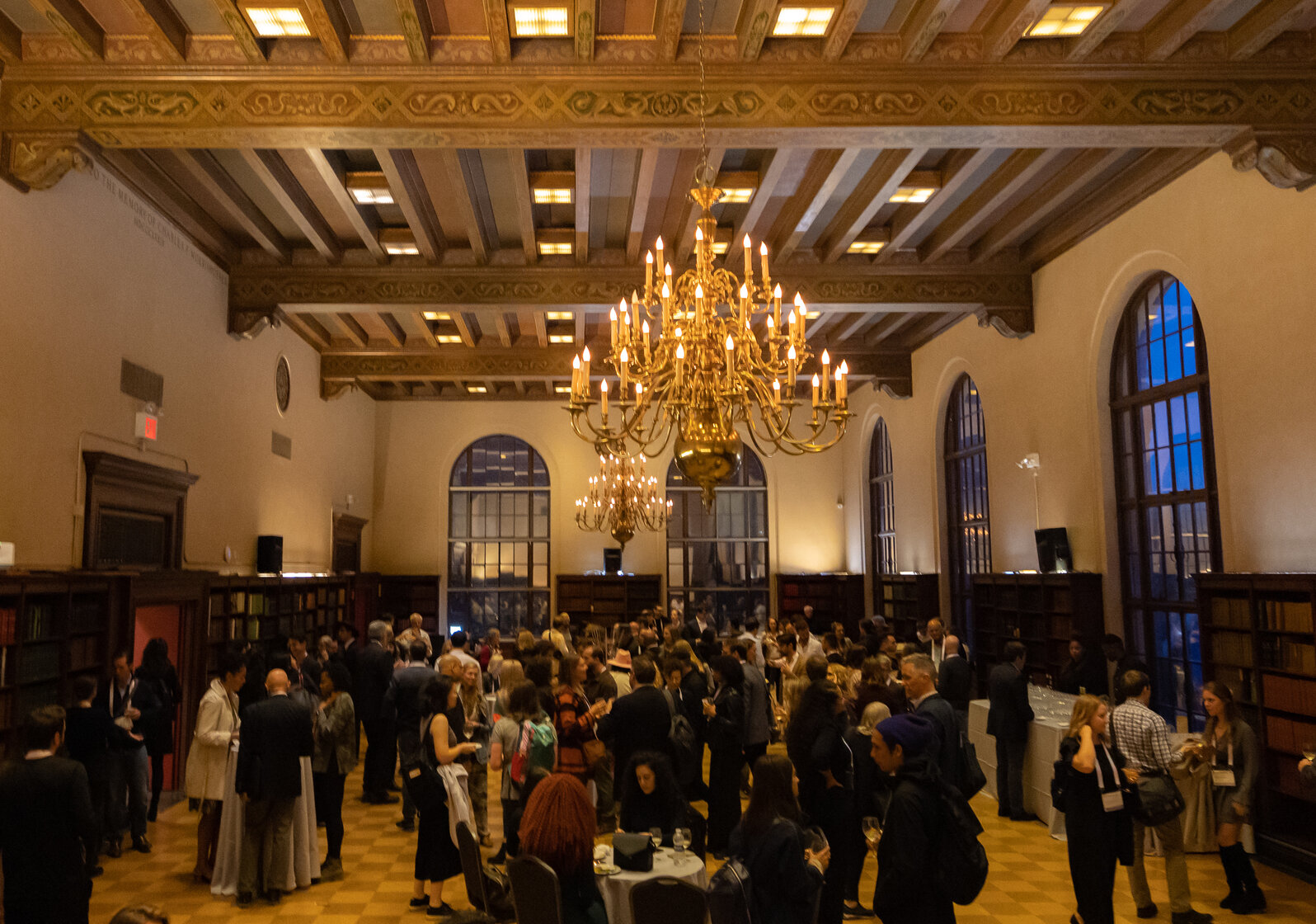
Catered lunch for Industry attendees is served in the Reading Room on the 3rd floor of the New York Academy of Medicine.
Industry registrations include a catered luncheon in the Reading Room on the 3rd floor of the New York Academy of Medicine. (Most common dietary needs can be accommodated, but please inform a server if you have allergies.)
For Community registrations, options may be available at the cafe on the ground-floor (while supplies last) and in the neighborhood. You are also welcome to bring your own lunch or order delivery (in “personal use” quantities) to the venue. Consider a picnic in Central Park, weather permitting.
Please return to the auditorium by 1:20pm, as sessions resume at 1:30pm sharp.
Psychedelic-Assisted Therapy as a Promising Treatment for Gut-Brain Interactions
Preliminary findings from a Massachusetts General Hospital pilot study—conducted at a Harvard Medical School teaching hospital—of psilocybin-assisted therapy for a disorder of gut-brain interaction.
Speakers
Juliana Zambrano, MD, MPH
Instructor of Psychiatry, Harvard Medical School
Massachusetts General Hospital
Irritable bowel syndrome is a common and often disabling disorder of gut-brain interaction involving abdominal pain, altered bowel function, stress, mood, and the perception of bodily sensations. Many people continue to experience substantial symptoms despite available medical and behavioral treatments.
Investigators at Massachusetts General Hospital recently completed the principal phase of a pilot study of psilocybin-assisted therapy for IBS. Juliana Zambrano, MD, MPH, will present preliminary quantitative findings alongside participants’ qualitative accounts, examining both measurable symptom changes and how people described the treatment experience.
By bringing gastrointestinal symptoms, pain, mood, neuroplasticity, and lived experience into a common framework, the study asks whether psychedelic-assisted therapy might address several dimensions of IBS at once. It also offers a way of thinking about disorders of gut-brain interaction that moves beyond a simple division between “physical” and “psychological” illness.
References
Psilocybin for Anxiety and Depression in Group Retreat Environments
University of Washington research on whether a group retreat model can safely address anxiety, depression, and existential distress among people living with metastatic cancer.
Speakers
Anthony L. Back, MD
Professor of Medicine
University of Washington, Seattle
People living with metastatic and incurable cancer often experience anxiety, depression, and existential distress alongside their physical illness. Most studies of psilocybin therapy have used an individual treatment model, which can be resource-intensive and may overlook the therapeutic possibilities of community and shared experience.
In a Phase 1/2 study, Anthony L. Back, MD, and colleagues developed a group model in which participants prepared and integrated together, with psilocybin administered during a three-day residential retreat. The model draws on the structure of rites of passage, translating elements of separation, transition, and return into a secular therapeutic setting.
This presentation examines the safety, feasibility, and preliminary outcomes of the retreat model, as well as the roles that group cohesion, mutual recognition, and social support may play in the therapeutic process. The study raises a broader question: are community and ritual simply containers for psychedelic therapy, or active components of its effects?
References
- A Phase 1/2 Study of a Group Model of Psilocybin-Assisted Therapy for Cancer-Related Anxiety in Patients With Metastatic Cancer. NCT05847686. ClinicalTrials.gov.
- Group Retreat Psilocybin Therapy for People with Metastatic Cancer with Symptoms of Anxiety and Depression: Safety and Efficacy Outcomes of a Phase 1/2 Study. Back AL, McGregor BA, Thorn LL, et al. 2026. DOI: 10.1177/28314425251413856. Psychedelic Medicine.
- Group Retreat Psilocybin Therapy for People with Metastatic Cancer with Anxiety and Depression: A Rite of Passage Facilitation Model for a Phase 1/2 Study. Back AL, McGregor BA, Billingsley L, et al. 2026;4(3):222–230. DOI: 10.1177/28314425251404460. Psychedelic Medicine.
Studying Psilocybin Therapy for People Living with Lyme Disease and Early Alzheimer’s
Research from the Johns Hopkins Center for Psychedelic and Consciousness Research on psilocybin therapy for post-treatment Lyme disease, and depression in mild cognitive impairment or early Alzheimer’s disease.
Speakers
Meghan DellaCrosse, PsyD
Affiliate Scientist
Johns Hopkins Center for Psychedelic and Consciousness Research
Albert Garcia-Romeu, PhD
Psychologist and Pharmacology Researcher
Johns Hopkins Center for Psychedelic and Consciousness Research
Post-treatment Lyme disease and early Alzheimer’s disease are clinically distinct conditions, but both can involve depression, anxiety, cognitive changes, physical symptoms, and diminished quality of life. Effective treatments for this broader burden of illness remain limited.
Albert Garcia-Romeu, PhD, and Meghan DellaCrosse, PsyD, will discuss an open-label pilot study of 20 people with post-treatment Lyme disease and an ongoing pilot study of people with depression and mild cognitive impairment or early Alzheimer’s disease. Both protocols combine two psilocybin sessions with preparation, psychological support, and follow-up.
In the Lyme disease study, participants reported improvements in overall symptom burden, quality of life, mood, fatigue, sleep, and pain, with some changes sustained through six months. The Alzheimer’s study asks whether a similar intervention can be delivered safely and whether it may improve depression and quality of life in the context of cognitive decline. Together, the studies explore how mood, cognition, pain, psychological flexibility, and the experience of illness may relate to one another.
References
- Effects of Psilocybin in Post-Treatment Lyme Disease. NCT05305105. ClinicalTrials.gov.
- Pilot Study of Serotonin 2A Receptor (5-HT2A) Agonist Psilocybin for Depression in Patients With Mild Cognitive Impairment or Early Alzheimer’s Disease. NCT04123314. ClinicalTrials.gov.
- Pilot study of psilocybin in patients with post-treatment lyme disease. Garcia-Romeu A, Naudé GP, Rebman AW, et al. 2026;16:7497. DOI: 10.1038/s41598-026-38091-9. Scientific Reports.
Studying Psilocybin Therapy for People Living with Parkinson’s Disease, Chronic Pain, and Mood Disorders
Research from the University of California, San Francisco Translational Psychedelic Research Program across neurological, pain, and psychiatric conditions.
Speakers
Gisele Fernandes-Osterhold, LMFT
Director of Psychedelic Facilitation, TrPR Program
University of California San Francisco (UCSF)
People living with chronic pain, Parkinson’s disease, and serious mood disorders often experience more than a single, isolated symptom. Pain, depression, anxiety, physical limitation, cognitive changes, and the loss of meaning or identity can become deeply intertwined.
Across recent and ongoing studies, University of California, San Francisco investigators have examined psilocybin therapy for mood dysfunction in Parkinson’s disease, depression in bipolar II disorder, and chronic pain. These early studies combine carefully supported psilocybin sessions with quantitative assessments and close attention to participants’ lived experiences.
In a published open-label Parkinson’s pilot, 12 participants received two doses of psilocybin with psychotherapy. No serious adverse events, medical interventions, worsening of Parkinson’s symptoms, or exacerbation of psychosis were observed; preliminary improvements in depression and anxiety persisted through three months. Gisele Fernandes-Osterhold, LMFT, will consider what these studies suggest about symptom relief, quality of life, meaning-making, and a person’s relationship to illness—even when the underlying disease remains.
References
- Psilocybin Therapy for Depression and Anxiety in Parkinson’s Disease. NCT04932434. ClinicalTrials.gov.
- Psilocybin therapy for mood dysfunction in Parkinson’s disease: an open-label pilot trial. Bradley ER, Sakai K, Fernandes-Osterhold G, et al. 2025;50(8):1200–1209. DOI: 10.1038/s41386-025-02097-0. Neuropsychopharmacology.
- Psilocybin Therapy for Depression in Bipolar II Disorder. NCT05065294. ClinicalTrials.gov.
- Psilocybin With Intracranial Neural Sensing. NCT06919640. ClinicalTrials.gov.
Reflections on mechanisms and meaning in psilocybin therapy trials
Researchers from four psilocybin therapy research teams compare what their studies suggest about clinical change, possible mechanisms, and how participants understand their experiences.
Speakers
Anthony L. Back, MD
Professor of Medicine
University of Washington, Seattle
Meghan DellaCrosse, PsyD
Affiliate Scientist
Johns Hopkins Center for Psychedelic and Consciousness Research
Gisele Fernandes-Osterhold, LMFT
Director of Psychedelic Facilitation, TrPR Program
University of California San Francisco (UCSF)
Albert Garcia-Romeu, PhD
Psychologist and Pharmacology Researcher
Johns Hopkins Center for Psychedelic and Consciousness Research
Juliana Zambrano, MD, MPH
Instructor of Psychiatry, Harvard Medical School
Massachusetts General Hospital
Moderator
Julie Holland, MD
Psychiatrist
Private practice, New York City
Psilocybin therapy is being studied across conditions that differ greatly in symptoms, prognosis, and lived experience.
The discussion will look beyond whether symptom scores improved to ask what changed for participants and how those changes might be understood. What patterns recur across studies, and where do the conditions or treatment models produce important differences? The panel will consider how psychological experience, group support, meaning-making, and biological effects may relate to one another, while also asking what these early findings can and cannot establish about mechanisms of action.
Afternoon break
Facing Negative Trials and Outcomes
Speakers
Amy Lehrner, PhD
Assistant Professor of Psychiatry
Icahn School of Medicine at Mount Sinai
Over the last twenty years, headlines have focused on the healing potential of psychedelic medicine as evidenced by a growing body of clinical trials and a stellar array of advocates.
However, below the fold, there is much to discuss about trials that have found negative, null, ambiguous, or middling outcome measures and case studies. Even within the most successful studies, there exist many hopeful participants for whom the treatment failed. And in some cases, properly administered treatments do result in adverse outcomes.
While ethical misconduct and its harms emerged as a hot topic recently, there has been greater reluctance to talk about the more mundane and statistically common negative scenarios.
Variable efficacy and safety outcomes are normal in the study and practice of medicine– just ask any surgeon or oncologist. Join us as we strengthen our understanding of psychedelic medicine by learning from data that may disappoint but is nonetheless valuable.
The Enigma of Ibogaine Neuropharmacology
Why ibogaine may not act like a conventional central nervous system drug, and a new approach to understanding its complex mechanisms and effects.
Speakers
Dalibor Sames, PhD
Professor of Chemistry
Columbia University
Ibogaine is a psychoactive, oneiric alkaloid from the West African Iboga plant that has attracted interest for its apparent ability to rapidly interrupt opioid dependence and treat several serious psychiatric and neurological disorders. Yet no single established mechanism explains the breadth or persistence of these effects. Unlike many conventional central nervous system drugs, ibogaine does not appear to work through any primary receptor or other molecular target.
Neurochemistry professor Dalibor Sames, PhD, and colleagues at Columbia University, proposes a novel “matrix pharmacology” model in which ibogaine’s effects arise from a seemingly coordinated pattern of distributed modulations that occur outside the canonical receptor interactions, including complex regulation of serotonin and monoamine signaling.
Drawing on laboratory research, preclinical evidence, and emerging clinical observations, Dr. Sames will examine the foundations of this theory, how it can be tested and whether it can guide design of safer iboga-inspired medicines and treatments. The larger question arises whether ibogaine is an unusually complex drug, or rather a lead to an entirely new paradigm of thinking and designing therapeutic and health-enhancing molecular technologies.
References
Deciphering Ibogaine’s Matrix Pharmacology: Multiple Transporter Modulation at Serotonin Synapses*. Hwu C, Havel V, Westergaard X, et al. 2026;148(1):175–193. DOI: 10.1021/jacs.5c06325. Journal of the American Chemical Society.(https://doi.org/10.1021/jacs.5c06325) Oxa-Iboga alkaloids lack cardiac risk and disrupt opioid use in animal models. Havel V, Kruegel AC, Bechand B, et al. 2024;15:8118. DOI: 10.1038/s41467-024-51856-y. Nature Communications (https://doi.org/10.1038/s41467-024-51856-y)
Closing remarks
Speakers
Kevin Balktick
Founder + Director
Horizons Media, Inc.
Julie Holland, MD
Psychiatrist
Private practice, New York City
Adjourn
Evening Extracurricular Activities
Off-site evening networking, education, and entertainment options from our Community Allies.
Please note that these are independently-produced events. Additional ticketing may be required. Your Horizons badge is not a ticket for these events. Please contact their respective organizers with questions.

About Horizons
Horizons: Perspectives on Psychedelics is one of the longest-running and influential education and community institutions in the field of psychedelics.
The mission of Horizons is to help the public understand the world of psychedelics.
Since 2007, Horizons has created 18 conferences that examine the role of psychedelics in science, medicine, policy, business, culture, and spirituality.
Horizons Media, Inc. is a 501(c)(3) not-for-profit educational charity based in New York City.

The New York Academy of Medicine
Established in 1847, the New York Academy of Medicine has been at the forefront of medical research, education, and advocacy for over 175 years.
The building itself is an architectural landmark on the Upper East Side. Its library and archives house valuable collections of rare books, manuscripts, and artifacts, preserving the heritage of medicine and healthcare.
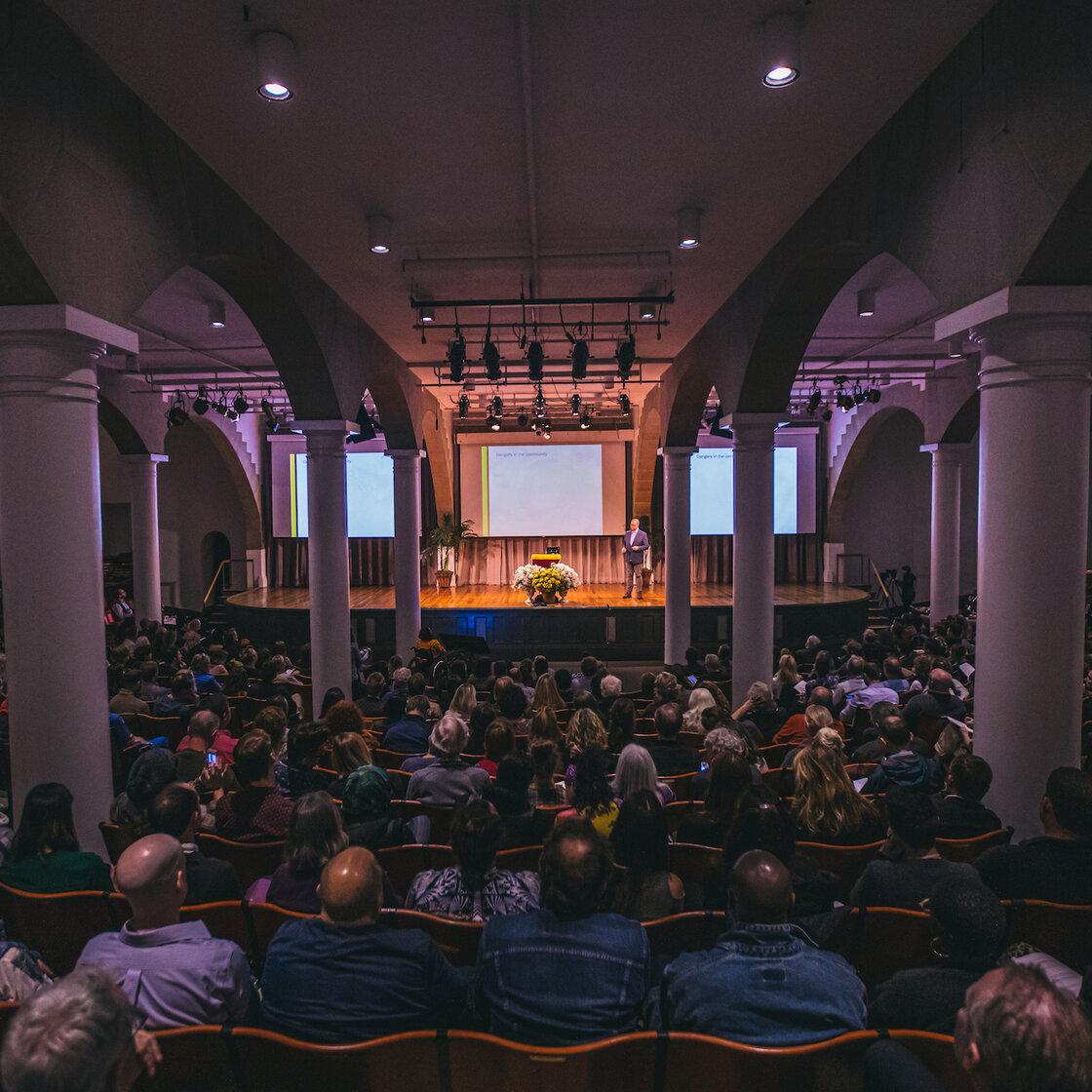
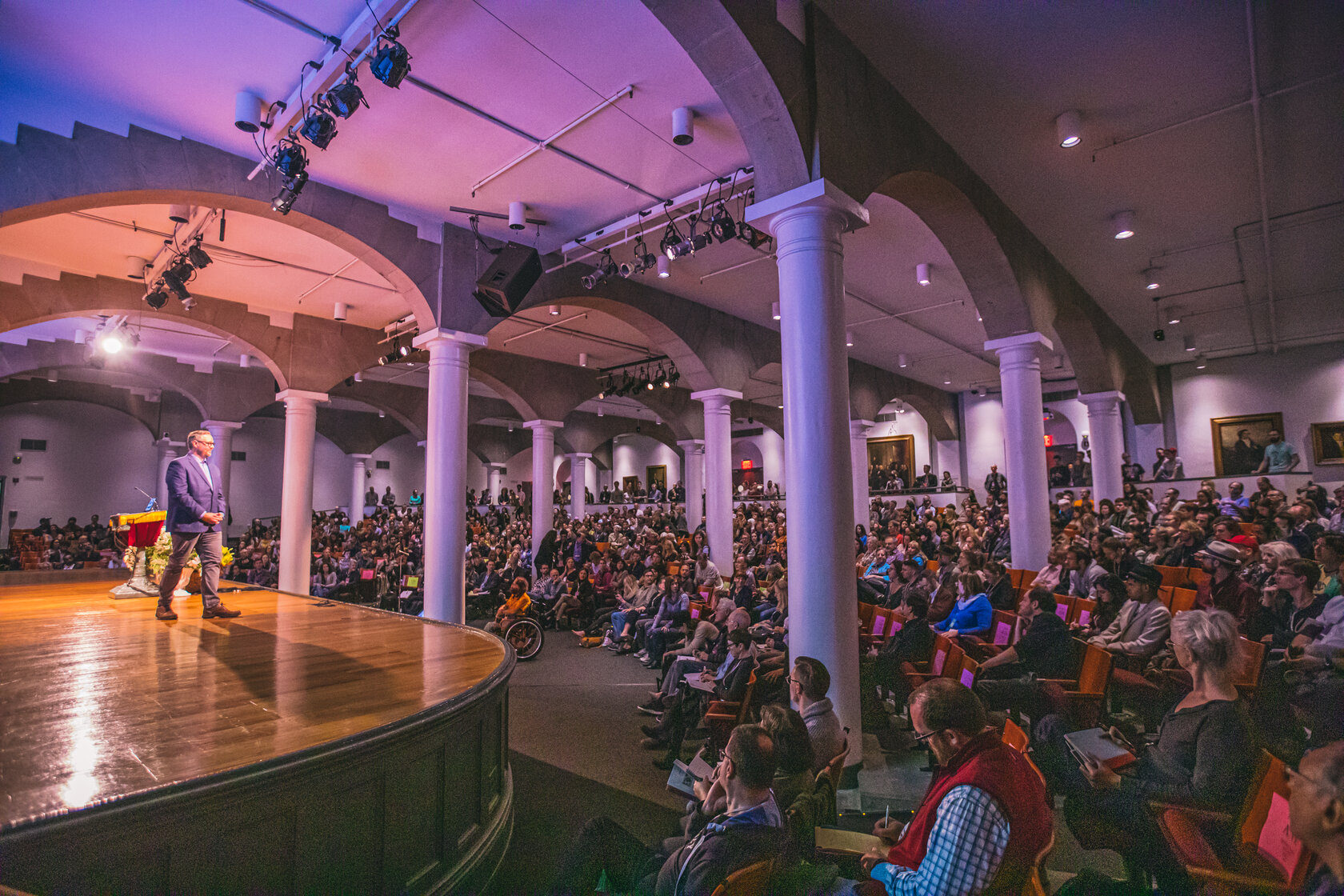
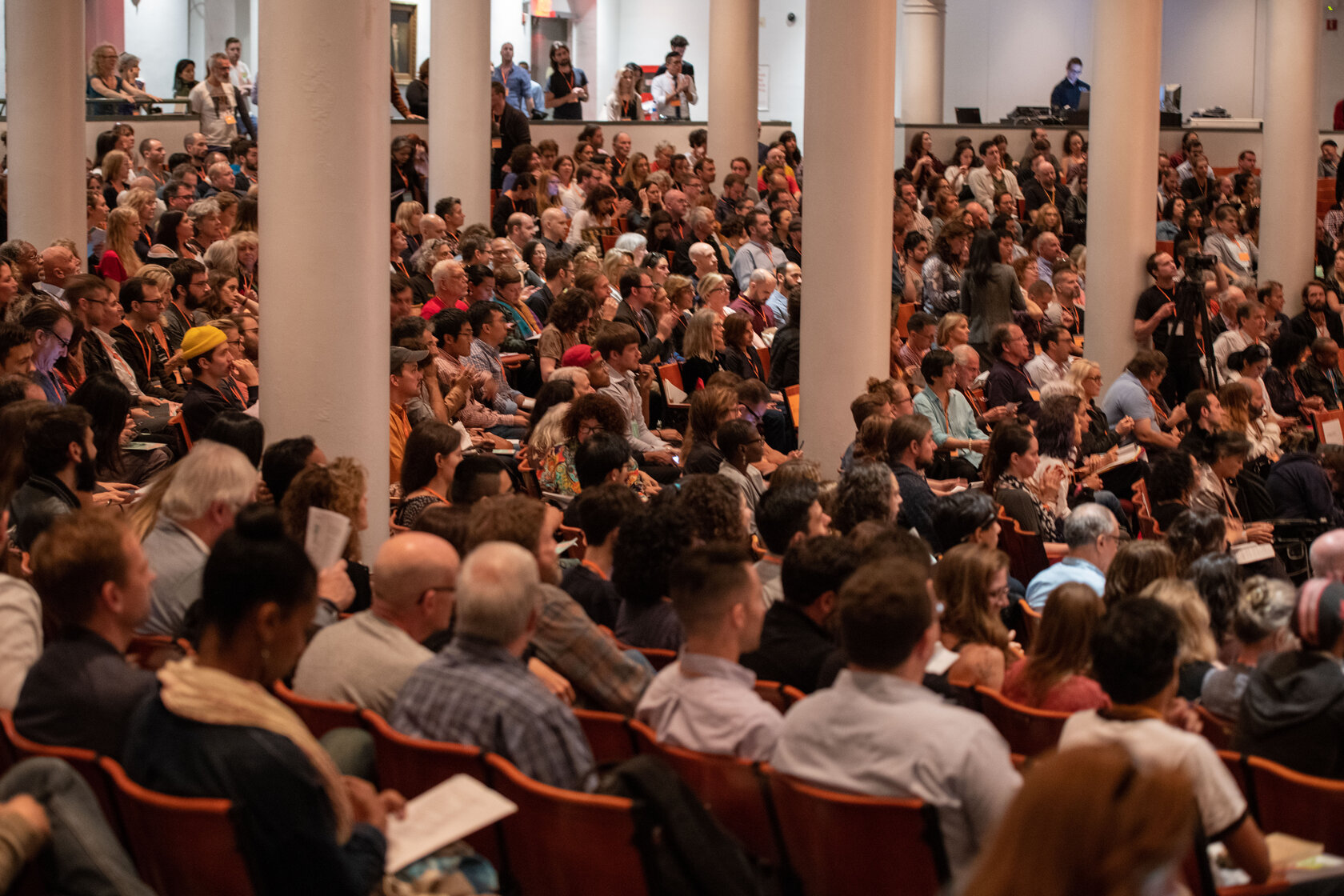
Amenities include a two-tier grand auditorium, ample indoor space for networking and dining, and Central Park just across the street.

Opportunities for Sponsors
Horizons partners with businesses that want to connect with the most engaged audience in psychedelics.
We can tailor benefits to harmonize with your focus and priorities through on-site activations at the conference and year-round digital engagement.
SPONSORS
Opportunities for Donors
Horizons is supported by individual donors and philanthropic foundations who share our commitment to public understanding of psychedelics.
Help us cultivate this field's future leadership and create a broader community where knowledge, networking, and opportunities are more widely accessible.
DONORS2026 Conference Programs


